Why a Brand-New Home Still Needs a Professional Inspection
Nobody has lived in a new house yet, but dozens of crews have worked on it, and any of them can miss something.
October 15, 2026 · 3 min read
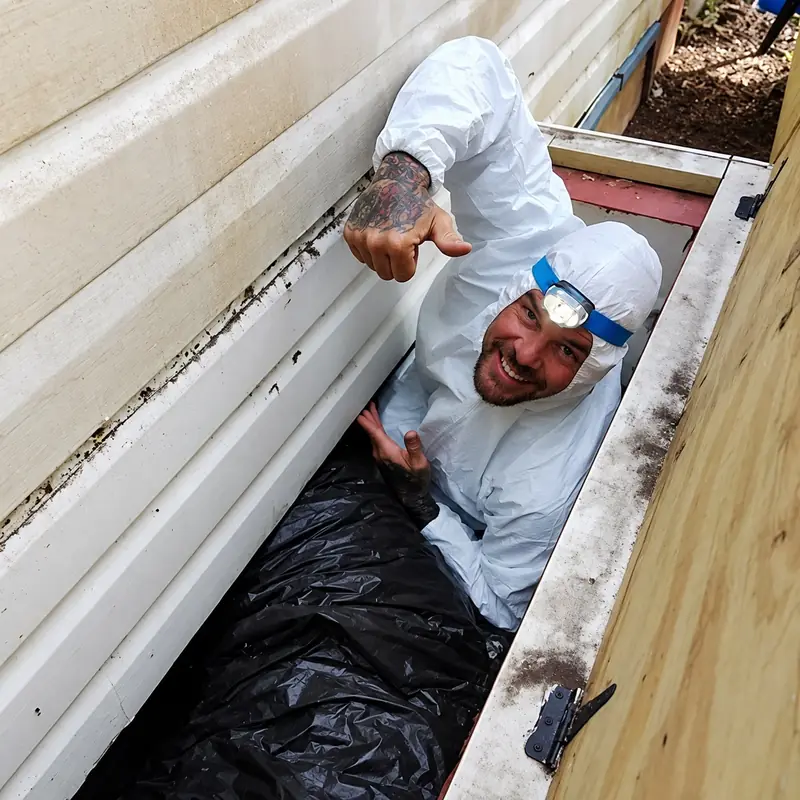
The finishes are fresh, the appliances still have their stickers and the whole place smells like paint. It is easy to assume a house like that is free of problems. After all, the builder built it, the county signed off on it and the sales office says it passed everything.
But a new house is still a big pile of parts put together by many different people. A buyer who skips the inspection is trusting that every one of those people got every detail right. Most of the time they got nearly all of it right. The few things they missed become your repairs the day you close.
New does not always mean perfect
Building a home means coordinating electricians, plumbers, air conditioning technicians, roofers, framers and finish carpenters, often working in sequence and under schedule pressure. One crew can undo or cover up another's work without anyone noticing. Small things slip through, and a casual walkthrough is not designed to find them.
Inspectors regularly find items like these in houses that have never been lived in:
- Installations that were not finished or not done to the manufacturer's instructions
- Electrical connections that are loose, wrong or missing a component
- Plumbing joints and drains that leak or do not drain well
- Air conditioning equipment installed in a way that hurts performance
- Roofing details and flashing that will let water in over time
- Grading and drainage that send water toward the house
- Unfinished or sloppy workmanship
A builder walkthrough is not an independent inspection
At the final walkthrough the builder's representative shows you the house, explains the features and notes items to fix. That is useful, but it works for the builder: it closes out the job. An independent inspector works for you. The only goal is to describe the condition of the house honestly from the buyer's side of the table.
The inspector looks past appearance. Does the equipment work as it should? Is the construction sound? Are there safety problems or defects that will become maintenance headaches? You get a written report you can hand to the builder, so the conversation is about specific items instead of impressions.
Where problems hide in a new house
Electrical work is the first place to look. Panels, connections and outlets need to be installed correctly, and a missing or incorrect part is easy to overlook behind a cover plate. Plumbing is next, since a new system can still have leaking joints or poor drainage that only show up under use.
The air conditioning should perform properly from the first day, so the inspector checks how it was installed and how condensate is handled. The roof may look perfect from the street, but flashing, penetrations and drainage details decide whether it keeps water out for the next few decades. Finally, workmanship details such as trim, sealing, fasteners and finishes tell you how much care went into the rest.
What a new construction inspection covers
The inspection follows the same logic as any good home inspection. The inspector looks at the exterior and the roof, the visible structure and accessible framing, the major systems and the interior living spaces.
- Exterior: roof condition, siding and surfaces, windows and doors, grading and drainage
- Interior: walls, ceilings, visible finishes and safety items
- Systems: electrical, plumbing and air conditioning
- Structure: foundation elements, framing and other visible construction details
The best times to schedule one
If the builder allows it, the best time is before the drywall goes up. That is the one chance to see framing, plumbing lines and wiring before they are covered for good. The second is before closing, when problems are still the builder's to fix and the builder has a reason to get them handled. A third is before the builder's warranty runs out, so anything that has shown itself after move-in can be reported while coverage still applies.
Why local construction experience helps
Knowing how a house should be built helps an inspector recognize when it was not. Brevard County homes also have local demands on them: heavy rain, humidity, wind and salt air. A new roof, a new wall assembly or a new drainage plan needs to be ready for that, not just ready for the walkthrough.
Hoog's Home Inspections is a family-run business in Merritt Island, with a Florida-licensed inspector (HI13003) and 23 years of construction experience behind every report. Before you close on a new build anywhere in Brevard County, call (321) 458-4816 and set up an inspection.
Hoog's Home Inspections, (321) 458-4816
Call (321) 458-4816More articles
Florida Homes: 10 Expensive Issues a Home Inspector Can Find
A house can look perfect at the showing and still hide ten of the most expensive repairs a Florida owner faces.
What a 4-Point Inspection Looks At and How an Older Home Passes
Insurers use the 4-point report to decide whether an older house is a risk they want, so it pays to know what the inspector is looking for.