What a 4-Point Inspection Looks At and How an Older Home Passes
Insurers use the 4-point report to decide whether an older house is a risk they want, so it pays to know what the inspector is looking for.
October 15, 2026 · 3 min read
If you own or are buying an older home in Florida, sooner or later an insurance company will ask for a 4-point inspection. It is a short, focused report, not a full home inspection. It covers four systems, and the insurer reads it to decide whether the house is in good enough shape to cover.
That makes it different from a normal inspection. A regular report is written for you, to help you make a buying decision. A 4-point is written for an underwriter, to answer a narrow set of questions about age and condition. Knowing what those questions are lets you fix the right things first.
The four systems
The four points are the roof, the air conditioning and heating system, the electrical system and the plumbing. Each one is a place where an old or failing component can lead to a large claim, which is why insurers focus on them. The inspector documents what is there, how old it appears to be, what condition it is in and whether anything stands out as a concern.
HVAC: age, condition and operation
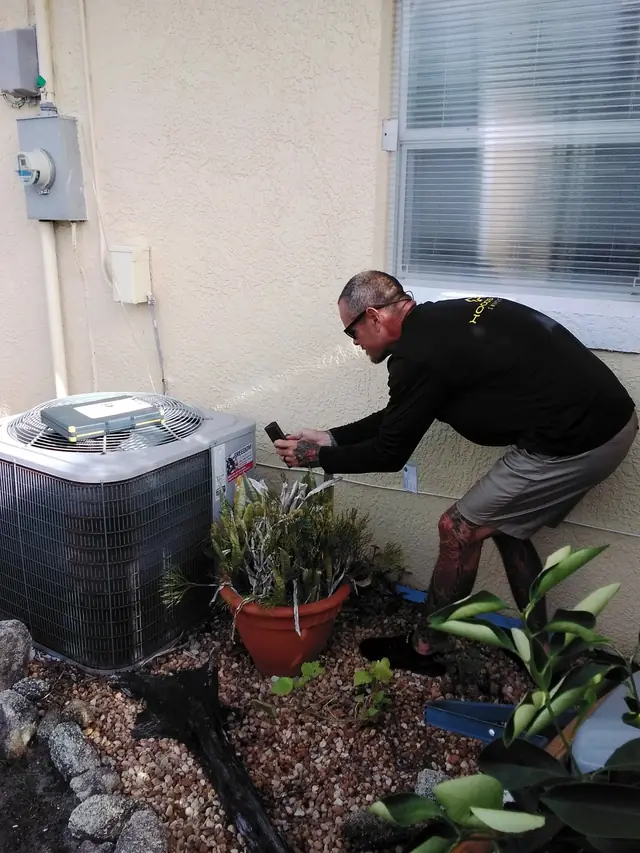
The inspector locates the air handler and the outdoor unit, records the manufacture date from the data plate when it can be read, and checks that the system operates. They look for signs of leaks, corrosion, a clogged or poorly routed condensate drain and obvious damage. The age matters, but so does the care the system has received.
To help an older system, make sure the filter is clean, the condensate line drains freely and the outdoor unit is clear of debris and plants. A service visit that leaves a written record is useful to show the underwriter that the equipment has been looked after.
Electrical: the panel and the wiring
At the electrical panel the inspector looks at the type of panel, the condition of the breakers and the wiring inside, and signs of overheating, scorching or amateur work. They also look at visible wiring in the attic, garage and other accessible places, and check for things like exposed splices, missing covers, damaged cable and double-tapped breakers.
Some panels and older wiring types make insurers nervous, and a panel that is damaged or rusted is a problem on any house. If something is flagged, a licensed electrician can evaluate it and make repairs, and the inspector can then document the corrected condition. Tidy, labeled panels with the cover in place and no obvious hazards go a long way.
Plumbing: supply lines, drains and water heater
For plumbing, the inspector checks visible supply and drain lines, fixtures, shutoff valves and the water heater. They look for active leaks, past leaks that left stains, corrosion, and improper connections. Under-sink cabinets and the area around the water heater tell a lot about the pipes you cannot see.
Fix drips, replace corroded shutoffs and have any active leaks repaired by a licensed plumber before the inspection. A dry cabinet is a better first impression than a damp one.
Roof: age, condition and signs of water
The roof is where many older homes get stuck. The inspector looks at the covering, its remaining life, flashing at penetrations and edges, and signs of leaks inside, such as ceiling stains in the attic or rooms below. Granule loss, curling, cracked or missing pieces and patchwork repairs all show up in the report.
A roof near the end of its life may need replacing or at least repairing before the insurer is comfortable. Loose or damaged pieces, failed sealant at vents and unprotected penetrations are common fixes that cost far less than a new roof.
Getting an older home ready
- Clear access to the electrical panel, the attic hatch and the air handler
- Replace the air filter and confirm the condensate drain flows
- Repair leaks and replace corroded shutoff valves
- Have a licensed electrician look at any damaged panel or wiring before the visit
- Make roof repairs for loose, damaged or missing pieces
- Keep receipts and permits for any recent work
If something does turn up, you are not out of options. One Hoog's customer sent photos once the corrections were made and had the four point updated right away, rather than starting over.
Hoog's Home Inspections performs the 4-point inspection at a flat rate for homes across Brevard County. The inspector is Florida-licensed (HI13003) with 23 years of construction experience. Call (321) 458-4816, Monday through Saturday, 9:00 AM to 6:00 PM, to schedule.
Hoog's Home Inspections, (321) 458-4816
Call (321) 458-4816More articles
Florida Homes: 10 Expensive Issues a Home Inspector Can Find
A house can look perfect at the showing and still hide ten of the most expensive repairs a Florida owner faces.
Why a Brand-New Home Still Needs a Professional Inspection
Nobody has lived in a new house yet, but dozens of crews have worked on it, and any of them can miss something.