Florida Homes: 10 Expensive Issues a Home Inspector Can Find
A house can look perfect at the showing and still hide ten of the most expensive repairs a Florida owner faces.
October 15, 2026 · 4 min read
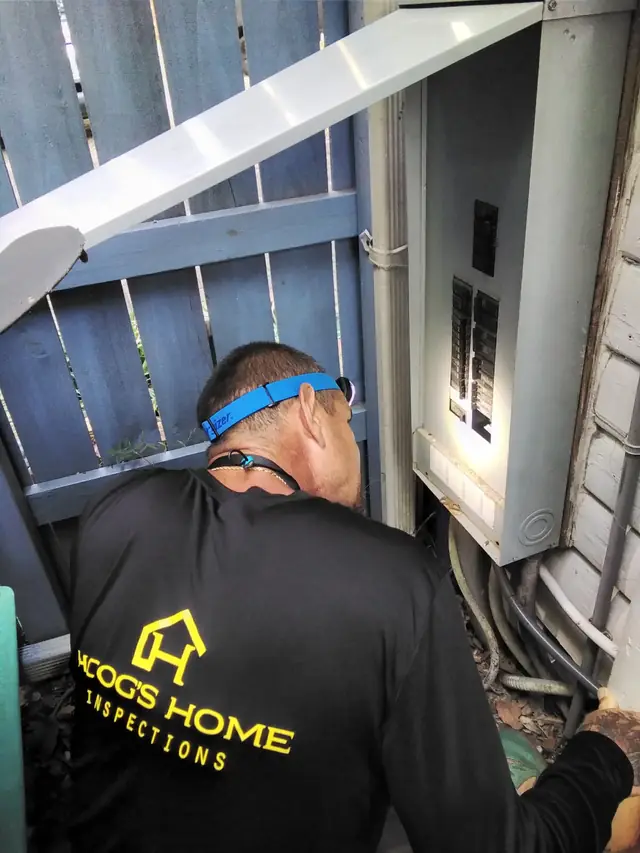
A walkthrough tells you whether you like a house. It does not tell you what is happening inside the attic, behind the drywall, under the slab edge or in the pipe that runs out to the street. The costliest problems in a Florida home tend to start in those places, and they start quietly.
Here in Brevard County the house is working against salt air, summer humidity, hard afternoon rain and the occasional tropical storm. Materials that would last for decades in a dry climate wear out faster. A licensed inspector who knows how local homes are built can spot the early signs, put them in a report, and give you something to work with before the repair bill arrives.
Why Florida homes wear out in quiet ways
Moisture is the common thread. Rain finds the weak spot in a roof. Humid air condenses on cold duct work. A small drip under a sink feeds a damp cabinet for months. None of it announces itself, and most of it is invisible from where a buyer or an owner normally stands. Heat and sunlight add to the problem by drying out sealants and breaking down exterior finishes.
That is why the same ten problems show up again and again. Some are about age. Some come from the climate. Some were simply built or repaired badly. Here is the list.
Roof, water and mold: damage that spreads
One, roof damage. Worn or lifted roofing, failed flashing, sloppy past repairs and aging materials let water in long before a stain shows on the ceiling. By the time you see the stain, the water has usually already reached insulation, decking or framing. A roof that looks fine from the driveway can still be near the end of its life.
Two, water intrusion. Leaks come from roofs, plumbing, poor grading and badly sealed windows and doors. Wet building materials rot, swell and lose strength, and a small leak left alone turns into a restoration job.
Three, mold and hidden moisture. Musty smells, staining and poor ventilation point to a moisture source. Cleaning the surface does not fix it. The cure is finding where the water comes from and stopping it, which is exactly what an inspection is built to help with.
The systems behind the walls
Four, electrical problems. Wiring that was done wrong, outdated components, loose or unsafe connections and missing safety devices are not things an owner can judge by flipping a switch. They are a safety concern, and they can also come up when an insurer reviews an older home.
Five, plumbing. Hidden leaks, aging pipes and slow drains rarely cause trouble until the damage is already done. A drip behind a wall can run for a long time before anyone notices.
Six, air conditioning. In Florida the system runs most of the year, so poor installation, deferred maintenance and drainage trouble at the unit cost real money. A system can cool the house and still be running inefficiently or heading toward an early replacement.
Structure, drainage and workmanship
Seven, structural concerns. Cracks in walls or foundations, sloping floors, doors that will not close and visible movement are the kind of findings that can lead to the biggest repairs. Not every crack is serious. The point is to have someone qualified tell you which ones are, and which ones can wait.
Eight, drainage. Water pooling near the foundation, poor grading, downspouts that dump in the wrong place and eroded soil all push moisture toward the house. In a state with this much rain, how the lot sheds water matters as much as the roof does.
Nine, workmanship defects. Not every expensive problem comes from age. Incomplete repairs, improper installation and overlooked details are built in on day one, and they are easier to recognize when the inspector understands how a house goes together.
The sewer line nobody sees
Ten, the sewer line. It runs underground, so it is the one system almost nobody ever checks. Blockages, cracks, tree roots working into joints and general pipe deterioration can sit unnoticed until a backup forces the issue. A sewer scope puts a camera inside the line so you can see its condition instead of guessing, and it is especially worth considering on an older home.
What the report does for your budget
A good inspection is not meant to scare anyone out of a purchase. It gives you information you can act on. It helps you rank repairs, understand what you are really buying, ask the seller the right questions and plan for work you know is coming rather than being surprised by it.
- Catch costly problems while they are still small
- Know which repairs are urgent and which can wait
- Compare the real condition of a house against its asking price
- Plan maintenance with a clear picture of the property
Experience changes what an inspector notices. Hoog's Home Inspections is run by a Florida-licensed inspector (HI13003) with 23 years of construction experience, based in Merritt Island and serving all of Brevard County. Residential inspections start at $250, based on square footage. Call (321) 458-4816, Monday through Saturday, 9:00 AM to 6:00 PM, to book yours.
Hoog's Home Inspections, (321) 458-4816
Call (321) 458-4816More articles
Why a Brand-New Home Still Needs a Professional Inspection
Nobody has lived in a new house yet, but dozens of crews have worked on it, and any of them can miss something.
What a 4-Point Inspection Looks At and How an Older Home Passes
Insurers use the 4-point report to decide whether an older house is a risk they want, so it pays to know what the inspector is looking for.