Sewer Scope Inspections for Homes Over 20 Years Old
The most expensive pipe in the house is the one you cannot see, and a camera is the only honest way to check it.
October 15, 2026 · 3 min read
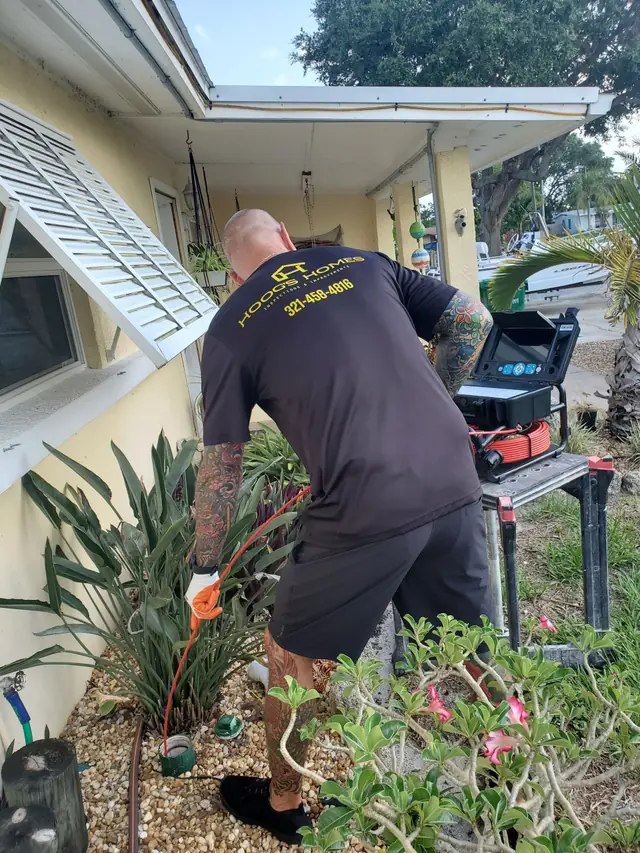
Most of a home's systems give you some warning when something is wrong. A sewer line does not. It is buried, homeowners rarely give it a thought, and it can be cracked, clogged or collapsing for a long time before a backup makes it obvious. By then the repair involves digging, and digging is rarely cheap.
A sewer scope fixes the visibility problem. The inspector feeds a waterproof high-definition camera on a flexible cable into the main line, usually through a cleanout, and watches the pipe from the inside as the camera advances. You get a look at the pipe's real condition, and a recording to go with it. The inspection takes far less time than the repair of a failure it might have prevented, and it does not require any digging.
What the camera finds
A scope can reveal several different kinds of trouble, and each one points to a different fix.
- Roots that have grown into joints and cracks looking for water
- Cracks and fractures in the pipe wall
- Blockages from debris, grease or foreign objects
- Bellies, which are low sags where waste and water collect
- Failed or offset joints where sections no longer line up
- General deterioration, such as scaling or a pipe wall that is wearing thin
Roots and cracks
Roots go where the water is. A hairline gap at a joint is enough for them to start, and once inside they thicken and catch debris, which narrows the pipe until it blocks. On the screen they show up as a mass or a fringe of fibers inside the line. Cracks are often tied to the same issue, since shifting soil and aging materials can fracture a pipe from outside. Older clay, cast iron and similar materials can crack or flake with age, and a camera shows which kind of pipe you actually have.
Bellies and failed joints
A belly is a section of pipe that has settled lower than the rest, so it holds standing water instead of draining. You can see the pool on camera. Waste collects in that low spot and the line clogs repeatedly, which is why a line that has been snaked over and over without lasting improvement deserves a look with a camera. Failed joints are another common finding in older pipe, where one section has slid or separated from the next and soil or roots can get in.
Why homes over 20 years old are the target
Age is the clearest risk factor. Older homes may have pipe materials that have not aged well, trees that have had decades to grow, and soil that has moved more than once. Nothing says every older line is failing, and plenty are fine. The scope is how you find out which situation you are in, and it matters most on any house that is over 20 years old.
When to order one
- Before buying an older home, ideally during the inspection period
- When the property has mature trees close to the line
- After repeated slow drains or backups
- Before a pre-listing push, so you know what a buyer's inspector might find
- When the seller cannot tell you the age or material of the line
For buyers, the scope can change a negotiation. A clean recording is reassurance that the line is sound. Surprises are the expensive part of an old sewer line, and the scope removes most of them. A problem on camera gives you something concrete to bring to the seller, either to ask for a repair or to adjust your offer. For sellers, finding the problem first means you control the story instead of reacting to a buyer's surprise.
What happens after a problem shows up
The scope is an inspection, not a repair. If the camera finds something, the next step is usually a licensed plumber or sewer contractor who can price the fix. Cleaning out roots is a very different job from replacing a collapsed section, and the recording lets contractors quote from the same facts.
Hoog's Home Inspections offers sewer scope inspections across Brevard County, and recommends the scope for homes over 20 years old. The inspector is Florida-licensed (HI13003) and brings 23 years of construction experience to what the camera shows. Call (321) 458-4816, Monday through Saturday, 9:00 AM to 6:00 PM, to schedule one.
Hoog's Home Inspections, (321) 458-4816
Call (321) 458-4816More articles
Florida Homes: 10 Expensive Issues a Home Inspector Can Find
A house can look perfect at the showing and still hide ten of the most expensive repairs a Florida owner faces.
Why a Brand-New Home Still Needs a Professional Inspection
Nobody has lived in a new house yet, but dozens of crews have worked on it, and any of them can miss something.